Professional Certificate of Competency in Substation Design (Control, Protection & Facility Planning)
This professional development course is designed for engineers and technicians who need to gain practical skills and knowledge in the control, protection, and facility planning systems within substation design control.
Duration
3 months
Intakes
July
Tuition Fee
Vary*
Location
Online
CRICOS
03567C
*Please get in touch for more details on fees
About the program
Substations are critical assets in any power system and serve as important nodes in a transmission and distribution network. Substations, therefore, handle multiple voltages in a given location and link two or more systems of different voltages.
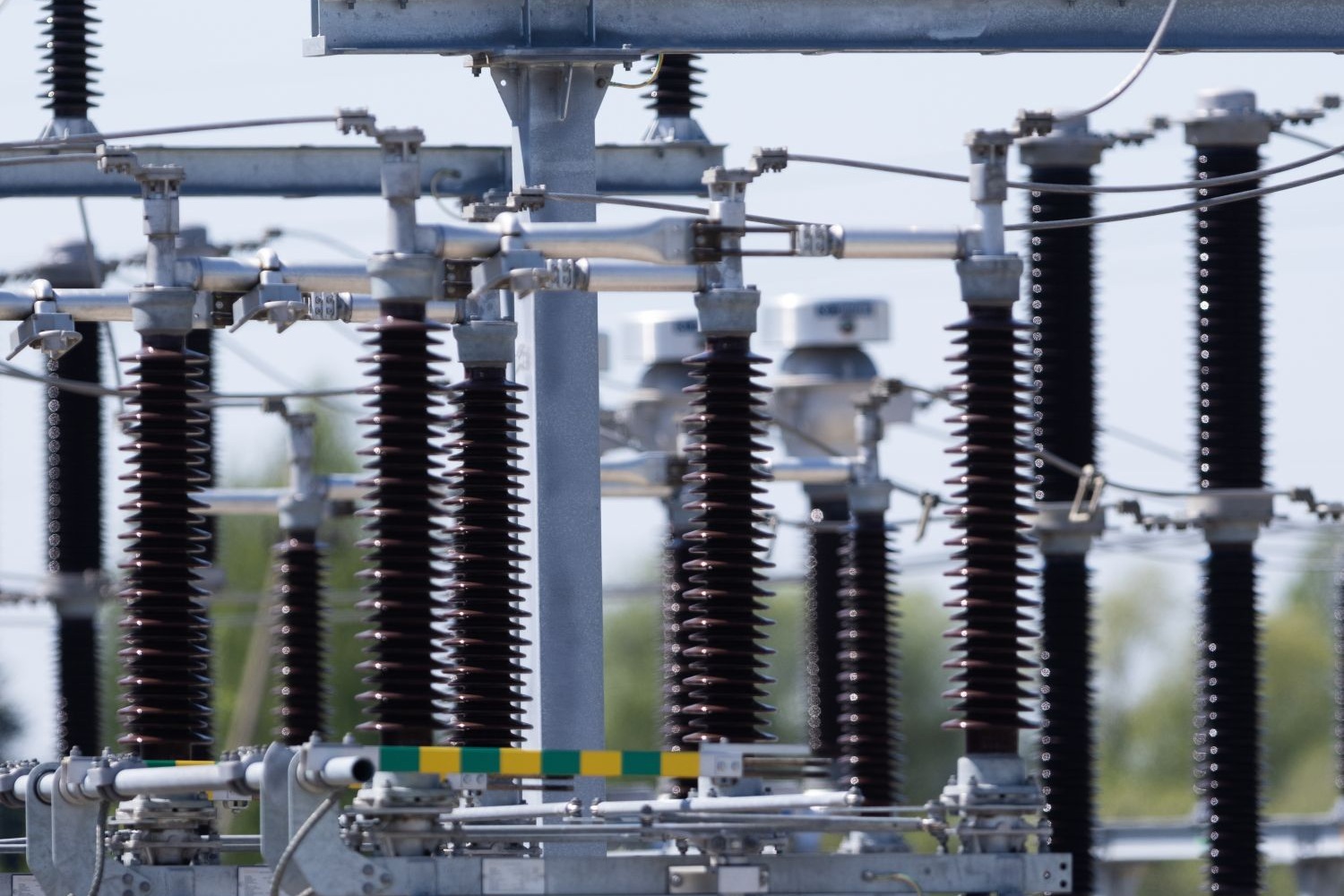
This course will focus on subsystems that perform essential functions in substations. These include earthing and grounding, lightning protection of outdoor equipment and substation buildings, power system protection, control, and interlocking equipment, including the auxiliary power sources and various switchyard facilities. These include foundation, structures, cable routing, lighting, fire protection and surveillance equipment.
Earthing of a high voltage switchyard requires careful design as it has a direct bearing on safety. The design approach to switchyards will be discussed, and the basic methods of calculation will be outlined. Lightning is a common threat to substation equipment and supply reliability, as overvoltage surges can result in insulation failure or spark over. While lightning cannot be prevented, its effects can be minimized by proper lightning and surge protection measures.
Any electrical equipment is susceptible to insulation failures. Protection against such failures and the resulting short circuits is a vital need in power systems. The various protection options available to the designer and the protection of busbars, transformers, and substation feeders will be discussed.
Another essential system is the control of switchyard equipment and the required auxiliary power supply. AC auxiliary power is used for the operation of isolators and disconnectors, the operating mechanism of circuit breakers, and substation lighting. The essential functions are powered through DC supply backed with batteries for reliability. This includes control, annunciation and protection functions, breaker close and trip commands, and in some cases, emergency lighting.
A switchyard has to be adequately planned by preparing the site, measuring earth resistivity required for earthing design and optimization, earthwork, foundations, cable trenches inside the switchyard, draining arrangements, etc. These aspects will be covered in detail during the course. We will also discuss gas-insulated switchgear as an alternative to outdoor open type switchyards.
This course will also cover selecting and applying appropriate power system protection to protect equipment and personnel from abnormal system conditions, including short circuits and earth faults.
Certification
To obtain a certificate of completion for EIT’s Professional Certificate of Competency course, students must achieve a 65% attendance rate at the live, online fortnightly webinars. Detailed summaries or notes can be submitted in lieu of attendance. In addition, students must obtain a mark of 60% in the set assignments which could take the form of written assignments and practical assignments. Students must also obtain a mark of 100% in quizzes. If a student does not achieve the required score, they will be given an opportunity to resubmit the assignment to obtain the required score.
Modules included
- Switchyard Earthing System Design
- Example of Switchyard Earthing System Design
- Lighting Protection of Switchyards
- Example of Switchyard Lighting and Surge Protection Design
- Substation Protection
For entry requirements, please complete the form.


Other interesting programs
-
-

Associate Degree in Electrical Engineering
- This Associate Degree in Electrical Engineering course from Engineering Institute of Technology prepares graduates with practical and theoretical expertise in power systems,…
This Associate Degree in Electrical Engineering course from Engineering Institute of Technology prepares graduates with practical and theoretical expertise in power systems, automation, renewable energy, and smart infrastructure.
-
-
-

Online – Master of Engineering – Applied Research (Industrial Automation)
- This Online - Master of Engineering - Applied Research (Industrial Automation) course from Engineering Institute of Technology is a two-year postgraduate degree…
This Online - Master of Engineering - Applied Research (Industrial Automation) course from Engineering Institute of Technology is a two-year postgraduate degree for engineers seeking to advance their expertise in emerging automation technologies and industrial data systems.
-
-
-
On-Campus Master of Engineering – Applied Research (Industrial Automation)
- This On-Campus Master of Engineering - Applied Research (Industrial Automation) course from the Engineering Institute of Technology is a two-year postgraduate degree…
This On-Campus Master of Engineering - Applied Research (Industrial Automation) course from the Engineering Institute of Technology is a two-year postgraduate degree for engineers seeking to advance their expertise in emerging automation technologies and industrial data systems.
-
-
-

Online – Master of Engineering – Applied Research (Civil – Structural)
- This Online - Master of Engineering - Applied Research (Civil - Structural) course from Engineering Institute of Technology is a two-year postgraduate…
This Online - Master of Engineering - Applied Research (Civil - Structural) course from Engineering Institute of Technology is a two-year postgraduate degree for engineers seeking to advance their expertise in structural engineering, modelling, and analysis of various materials and structural systems.
-
-
-
On-Campus Master of Engineering – Applied Research (Civil – Structural)
- This On-Campus Master of Engineering - Applied Research (Civil - Structural) course from Engineering Institute of Technology combining cutting-edge research skills and practical problem-solving…
This On-Campus Master of Engineering - Applied Research (Civil - Structural) course from Engineering Institute of Technology combining cutting-edge research skills and practical problem-solving to drive innovation in real-world engineering challenges.
-
-
-

Online – Master of Engineering – Applied Research (Electrical Systems)
- This Online - Master of Engineering - Applied Research (Electrical Systems) course from Engineering Institute of Technology is a two-year postgraduate degree…
This Online - Master of Engineering - Applied Research (Electrical Systems) course from Engineering Institute of Technology is a two-year postgraduate degree addresses real-world challenges in modern electrical engineering.
-
-
-
On-Campus Master of Engineering – Applied Research (Electrical Systems)
- This On-Campus Master of Engineering - Applied Research (Electrical Systems) course from Engineering Institute of Technology combining cutting-edge research skills and practical problem-solving to…
This On-Campus Master of Engineering - Applied Research (Electrical Systems) course from Engineering Institute of Technology combining cutting-edge research skills and practical problem-solving to drive innovation in real-world engineering challenges.
-
-
-

Online – Master of Engineering – Applied Research (Mechanical)
- This Online - Master of Engineering - Applied Research (Mechanical) course from Engineering Institute of Technology is a two-year postgraduate degree for…
This Online - Master of Engineering - Applied Research (Mechanical) course from Engineering Institute of Technology is a two-year postgraduate degree for engineers seeking to advance their expertise in mechanical design, materials behavior, and advanced simulation tools.
-
-
-
On-Campus Master of Engineering – Applied Research (Mechanical)
- This On-Campus Master of Engineering - Applied Research (Mechanical) course from the Engineering Institute of Technology is a two-year postgraduate degree for…
This On-Campus Master of Engineering - Applied Research (Mechanical) course from the Engineering Institute of Technology is a two-year postgraduate degree for engineers seeking to advance their expertise in mechanical design, materials behavior, and advanced simulation tools.
-
-
-
Professional Certificate of Competency in Green Smelting Technologies
- This course is designed for engineers and professionals aiming to deepen their understanding of environmentally friendly smelting technologies, with a…
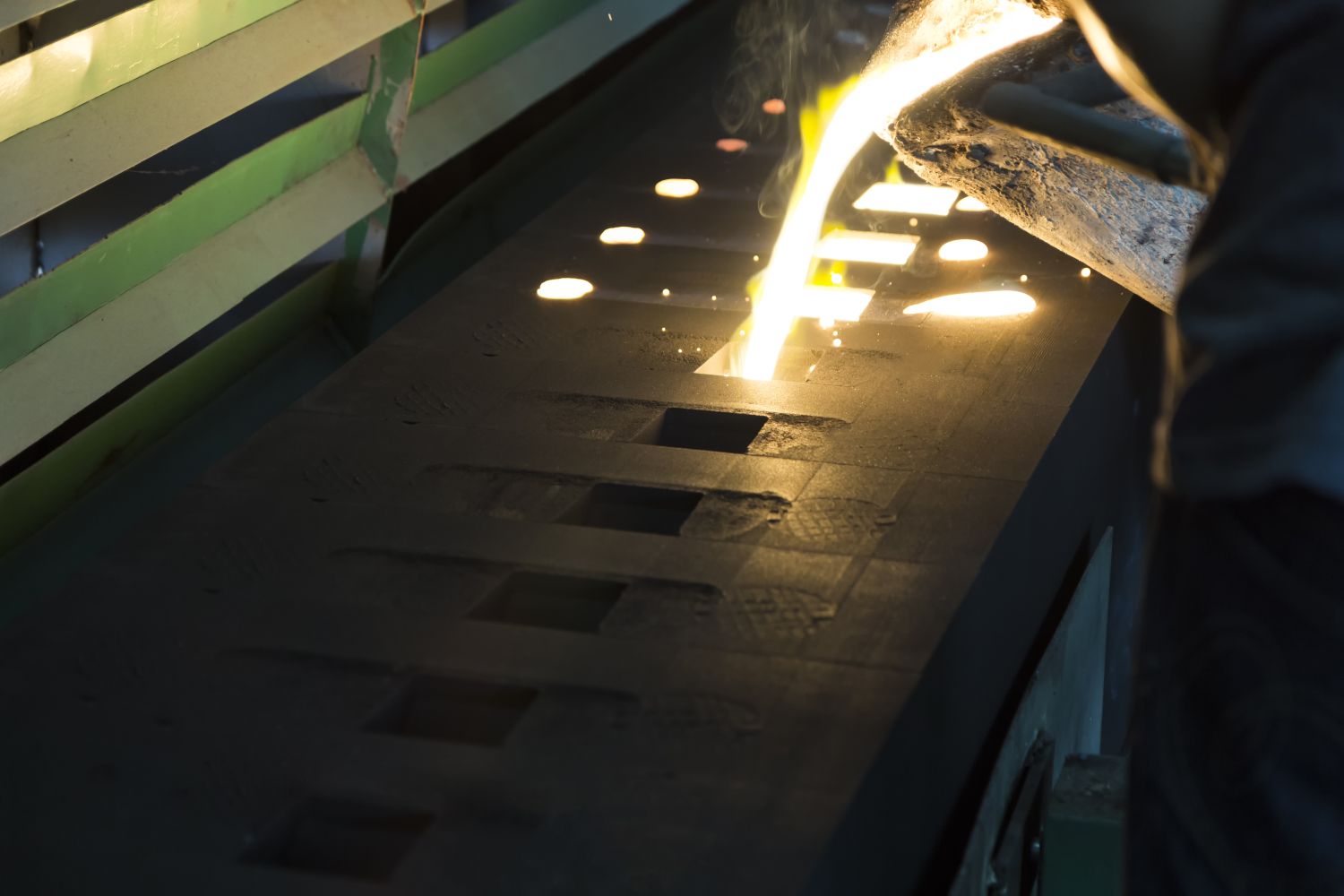
This course is designed for engineers and professionals aiming to deepen their understanding of environmentally friendly smelting technologies, with a focus on hydrogen-based reduction methods. Participants will explore the principles, technologies, and applications of green smelting, emphasizing the transition from traditional carbon-intensive processes to sustainable alternatives.
-
-
-

Professional Certificate of Competency in Instrumentation, Automation and Process Control
- This professional development course is designed for engineers and technicians who need to gain practical knowledge of selection, installation, and…
This professional development course is designed for engineers and technicians who need to gain practical knowledge of selection, installation, and commissioning of industrial instrumentation and control valves.
-
-
-

Professional Certificate of Competency in Advanced Plant Maintenance and AI-Driven Predictive Technologies
- The Professional Certificate of Competency in Advanced Plant Maintenance & AI-Driven Predictive Technologies is a specialized program designed for professionals in mining,…
The Professional Certificate of Competency in Advanced Plant Maintenance & AI-Driven Predictive Technologies is a specialized program designed for professionals in mining, energy, oil & gas, and manufacturing.
-