
Duration
3 months
Intakes
August
Tuition Fee
Vary*
Location
Online
CRICOS
03567C
*Please get in touch for more details on fees
About the program
Mechanical engineering, in simple terms, deals with any equipment that moves; this is what makes it perhaps the broadest and most diverse engineering discipline. The mechanical discipline primarily derives its breadth from the need to design and manufacture everything from small (even nano) individual devices, such as measuring instruments, to large systems such as machine tools and power plants.
Easy installation and serviceability are critical to the success of a mechanical system, as is operational and design flexibility. Understanding parameters governing the selection and design of mechanical systems is essential for identifying suitable systems for a particular application.
To place all these issues in context, a good working knowledge of mechanical principles combined with a solid understanding of critical concepts such as force, energy, and heat is essential. Mechanical power transmission is discussed from the point of view of gears, couplings, and bearings. Proper selection and sizing of these critical mechanical components are vital to ensure optimum performance and improved efficiency of a mechanical system. Recently, fluid engineering has undergone significant change, and therefore, a detailed overview of the underlying principles of fluid power and its applications is vital. The theory behind heat transfer, the various heat transfer mechanisms, and the design of heat exchangers are also examined.
Any study of mechanical systems would be incomplete without including a review of mechanical vibrations. This will help you in monitoring, controlling, and analyzing vibrations and in conducting fault diagnoses in mechanical systems.
The field of maintenance has evolved into a separate and highly specialized function. An effective maintenance regime helps identify failure symptoms and enables the initiation of corrective measures for preventing unscheduled and sometimes catastrophic failures. Lastly, a discussion on the numerous standards, codes, and regulations governing mechanical systems helps put the whole course into perspective.
Certification
To obtain a certificate of completion for EIT’s Professional Certificate of Competency, students must achieve a 65% attendance rate at the live, online fortnightly webinars. Detailed summaries/notes can be submitted in lieu of attendance. In addition, students must obtain a mark of 60% in the set assignments which could take the form of written assignments and practical assignments. Students must also obtain a mark of 100% in quizzes. If a student does not achieve the required score, they will be given an opportunity to resubmit the assignment to obtain the required score.
Modules included
- Mechanical Engineering Basics
- Engineering Materials
- Mechanical Design
- Gears and Bearings
- Mechanical Drives
For entry requirements, please complete the form.
Other interesting programs
-
-

Associate Degree in Electrical Engineering
- This Associate Degree in Electrical Engineering course from Engineering Institute of Technology prepares graduates with practical and theoretical expertise in power systems,…
This Associate Degree in Electrical Engineering course from Engineering Institute of Technology prepares graduates with practical and theoretical expertise in power systems, automation, renewable energy, and smart infrastructure.
-
-
-

Online – Master of Engineering – Applied Research (Industrial Automation)
- This Online - Master of Engineering - Applied Research (Industrial Automation) course from Engineering Institute of Technology is a two-year postgraduate degree…
This Online - Master of Engineering - Applied Research (Industrial Automation) course from Engineering Institute of Technology is a two-year postgraduate degree for engineers seeking to advance their expertise in emerging automation technologies and industrial data systems.
-
-
-
On-Campus Master of Engineering – Applied Research (Industrial Automation)
- This On-Campus Master of Engineering - Applied Research (Industrial Automation) course from the Engineering Institute of Technology is a two-year postgraduate degree…
This On-Campus Master of Engineering - Applied Research (Industrial Automation) course from the Engineering Institute of Technology is a two-year postgraduate degree for engineers seeking to advance their expertise in emerging automation technologies and industrial data systems.
-
-
-

Online – Master of Engineering – Applied Research (Civil – Structural)
- This Online - Master of Engineering - Applied Research (Civil - Structural) course from Engineering Institute of Technology is a two-year postgraduate…
This Online - Master of Engineering - Applied Research (Civil - Structural) course from Engineering Institute of Technology is a two-year postgraduate degree for engineers seeking to advance their expertise in structural engineering, modelling, and analysis of various materials and structural systems.
-
-
-
On-Campus Master of Engineering – Applied Research (Civil – Structural)
- This On-Campus Master of Engineering - Applied Research (Civil - Structural) course from Engineering Institute of Technology combining cutting-edge research skills and practical problem-solving…
This On-Campus Master of Engineering - Applied Research (Civil - Structural) course from Engineering Institute of Technology combining cutting-edge research skills and practical problem-solving to drive innovation in real-world engineering challenges.
-
-
-

Online – Master of Engineering – Applied Research (Electrical Systems)
- This Online - Master of Engineering - Applied Research (Electrical Systems) course from Engineering Institute of Technology is a two-year postgraduate degree…
This Online - Master of Engineering - Applied Research (Electrical Systems) course from Engineering Institute of Technology is a two-year postgraduate degree addresses real-world challenges in modern electrical engineering.
-
-
-
On-Campus Master of Engineering – Applied Research (Electrical Systems)
- This On-Campus Master of Engineering - Applied Research (Electrical Systems) course from Engineering Institute of Technology combining cutting-edge research skills and practical problem-solving to…
This On-Campus Master of Engineering - Applied Research (Electrical Systems) course from Engineering Institute of Technology combining cutting-edge research skills and practical problem-solving to drive innovation in real-world engineering challenges.
-
-
-
Online – Master of Engineering – Applied Research (Mechanical)
- This Online - Master of Engineering - Applied Research (Mechanical) course from Engineering Institute of Technology is a two-year postgraduate degree for…
This Online - Master of Engineering - Applied Research (Mechanical) course from Engineering Institute of Technology is a two-year postgraduate degree for engineers seeking to advance their expertise in mechanical design, materials behavior, and advanced simulation tools.
-
-
-
On-Campus Master of Engineering – Applied Research (Mechanical)
- This On-Campus Master of Engineering - Applied Research (Mechanical) course from the Engineering Institute of Technology is a two-year postgraduate degree for…
This On-Campus Master of Engineering - Applied Research (Mechanical) course from the Engineering Institute of Technology is a two-year postgraduate degree for engineers seeking to advance their expertise in mechanical design, materials behavior, and advanced simulation tools.
-
-
-
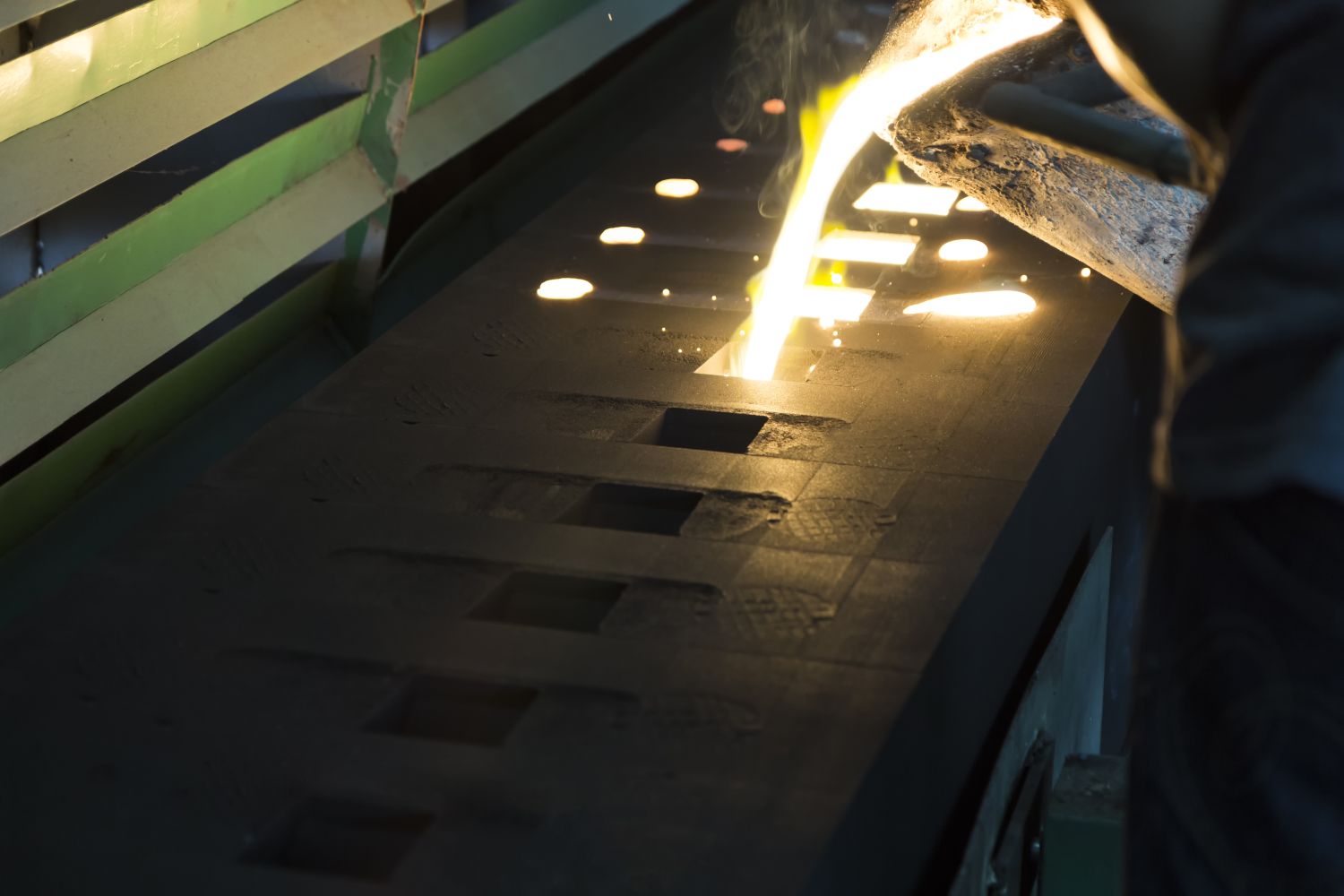
Professional Certificate of Competency in Green Smelting Technologies
- This course is designed for engineers and professionals aiming to deepen their understanding of environmentally friendly smelting technologies, with a…
This course is designed for engineers and professionals aiming to deepen their understanding of environmentally friendly smelting technologies, with a focus on hydrogen-based reduction methods. Participants will explore the principles, technologies, and applications of green smelting, emphasizing the transition from traditional carbon-intensive processes to sustainable alternatives.
-
-
-

Professional Certificate of Competency in Instrumentation, Automation and Process Control
- This professional development course is designed for engineers and technicians who need to gain practical knowledge of selection, installation, and…
This professional development course is designed for engineers and technicians who need to gain practical knowledge of selection, installation, and commissioning of industrial instrumentation and control valves.
-
-
-

Professional Certificate of Competency in Advanced Plant Maintenance and AI-Driven Predictive Technologies
- The Professional Certificate of Competency in Advanced Plant Maintenance & AI-Driven Predictive Technologies is a specialized program designed for professionals in mining,…
The Professional Certificate of Competency in Advanced Plant Maintenance & AI-Driven Predictive Technologies is a specialized program designed for professionals in mining, energy, oil & gas, and manufacturing.
-