
Duration
24 months
Intakes
June
Tuition Fee
Vary*
Location
Online
CRICOS
03567C
*Please get in touch for more details on fees
About the program
The Master’s program is designed to equip students with essential skills for the automation sector, integrating twelve core modules and a project thesis. Targeted at professionals with backgrounds in fields like electrical, electronics, and mechanical engineering, the curriculum includes key subjects such as Power Engineering, Programmable Logic Controllers, and Industrial Process Control Systems, laying a robust foundation in both theory and application.
The course culminates with a Project Thesis, a significant research component that enhances the students’ ability to apply their knowledge creatively and critically. This capstone project fosters independence and innovation, preparing graduates to contribute effectively to the Industrial Automation industry and address complex challenges in their future careers.
The rapid growth of new industries and technologies has led to a global shortage of skilled automation, instrumentation, and control engineers. The Master of Engineering (Industrial Automation) program is tailored to address these needs by providing comprehensive knowledge and skills essential for the industry. It is a comprehensive two-year program that includes 12 units, along with a variety of elective options, each dedicated to crucial aspects of Industrial Automation engineering.
Industrial Automation Introduction provides the fundamental knowledge that is essential in the automation area. Power Engineering covers major equipment and technologies used in power systems, including power generation, transmission, and distribution networks. Programmable Logic Controllers covers in-depth principles of operation of programmable controllers, networking, distributed controllers, and program control strategies. Industrial Process Control Systems combines the process identification and feedback control design with a broad understanding of the hardware, system architectures and software techniques widely used to evaluate and implement complex control solutions.
Furthermore, Industrial Instrumentation identifies key features of widely used measurement techniques and transducers combined with microprocessor devices to create robust and reliable industrial instruments. Industrial Data Communications provides the requisite knowledge to manage modern field buses and industrial wireless systems. Safety Instrumented Systems introduces the common safety philosophy of hazard identification, risk management and risk-based design of protection methods and functional safety systems. SCADA and DCS cover hardware and software systems, evaluation of typical DCS and SCADA systems and configuration of DCS controllers. Advanced Process Control covers advanced control systems, algorithms, and applications. Machine Learning for Industrial Automation provides the intelligent control basics in the automation area.
The Project Thesis, as the capstone of the course, requires a high level of personal autonomy and accountability, and reinforces the knowledge and skill base developed in the preceding subjects. As a significant research component of the course, this project will facilitate research, critical evaluation and the application of knowledge and skills with creativity and initiative, enabling students to critique current professional practice in the Industrial Automation industry.
There is also an on-campus option available for this course. Please feel free to check it here.
Modules included
- Industrial Automation Introduction
- Programmable Logic Controllers
- Industrial Process Control Systems
- Industrial Instrumentation
- Electrical Engineering for Industrial Automation
For entry requirements, please complete the form.


Other interesting programs
-
-

Associate Degree in Electrical Engineering
- This Associate Degree in Electrical Engineering course from Engineering Institute of Technology prepares graduates with practical and theoretical expertise in power systems,…
This Associate Degree in Electrical Engineering course from Engineering Institute of Technology prepares graduates with practical and theoretical expertise in power systems, automation, renewable energy, and smart infrastructure.
-
-
-
Online – Master of Engineering – Applied Research (Industrial Automation)
- This Online - Master of Engineering - Applied Research (Industrial Automation) course from Engineering Institute of Technology is a two-year postgraduate degree…
This Online - Master of Engineering - Applied Research (Industrial Automation) course from Engineering Institute of Technology is a two-year postgraduate degree for engineers seeking to advance their expertise in emerging automation technologies and industrial data systems.
-
-
-
On-Campus Master of Engineering – Applied Research (Industrial Automation)
- This On-Campus Master of Engineering - Applied Research (Industrial Automation) course from the Engineering Institute of Technology is a two-year postgraduate degree…
This On-Campus Master of Engineering - Applied Research (Industrial Automation) course from the Engineering Institute of Technology is a two-year postgraduate degree for engineers seeking to advance their expertise in emerging automation technologies and industrial data systems.
-
-
-

Online – Master of Engineering – Applied Research (Civil – Structural)
- This Online - Master of Engineering - Applied Research (Civil - Structural) course from Engineering Institute of Technology is a two-year postgraduate…
This Online - Master of Engineering - Applied Research (Civil - Structural) course from Engineering Institute of Technology is a two-year postgraduate degree for engineers seeking to advance their expertise in structural engineering, modelling, and analysis of various materials and structural systems.
-
-
-
On-Campus Master of Engineering – Applied Research (Civil – Structural)
- This On-Campus Master of Engineering - Applied Research (Civil - Structural) course from Engineering Institute of Technology combining cutting-edge research skills and practical problem-solving…
This On-Campus Master of Engineering - Applied Research (Civil - Structural) course from Engineering Institute of Technology combining cutting-edge research skills and practical problem-solving to drive innovation in real-world engineering challenges.
-
-
-

Online – Master of Engineering – Applied Research (Electrical Systems)
- This Online - Master of Engineering - Applied Research (Electrical Systems) course from Engineering Institute of Technology is a two-year postgraduate degree…
This Online - Master of Engineering - Applied Research (Electrical Systems) course from Engineering Institute of Technology is a two-year postgraduate degree addresses real-world challenges in modern electrical engineering.
-
-
-
On-Campus Master of Engineering – Applied Research (Electrical Systems)
- This On-Campus Master of Engineering - Applied Research (Electrical Systems) course from Engineering Institute of Technology combining cutting-edge research skills and practical problem-solving to…
This On-Campus Master of Engineering - Applied Research (Electrical Systems) course from Engineering Institute of Technology combining cutting-edge research skills and practical problem-solving to drive innovation in real-world engineering challenges.
-
-
-

Online – Master of Engineering – Applied Research (Mechanical)
- This Online - Master of Engineering - Applied Research (Mechanical) course from Engineering Institute of Technology is a two-year postgraduate degree for…
This Online - Master of Engineering - Applied Research (Mechanical) course from Engineering Institute of Technology is a two-year postgraduate degree for engineers seeking to advance their expertise in mechanical design, materials behavior, and advanced simulation tools.
-
-
-
On-Campus Master of Engineering – Applied Research (Mechanical)
- This On-Campus Master of Engineering - Applied Research (Mechanical) course from the Engineering Institute of Technology is a two-year postgraduate degree for…
This On-Campus Master of Engineering - Applied Research (Mechanical) course from the Engineering Institute of Technology is a two-year postgraduate degree for engineers seeking to advance their expertise in mechanical design, materials behavior, and advanced simulation tools.
-
-
-
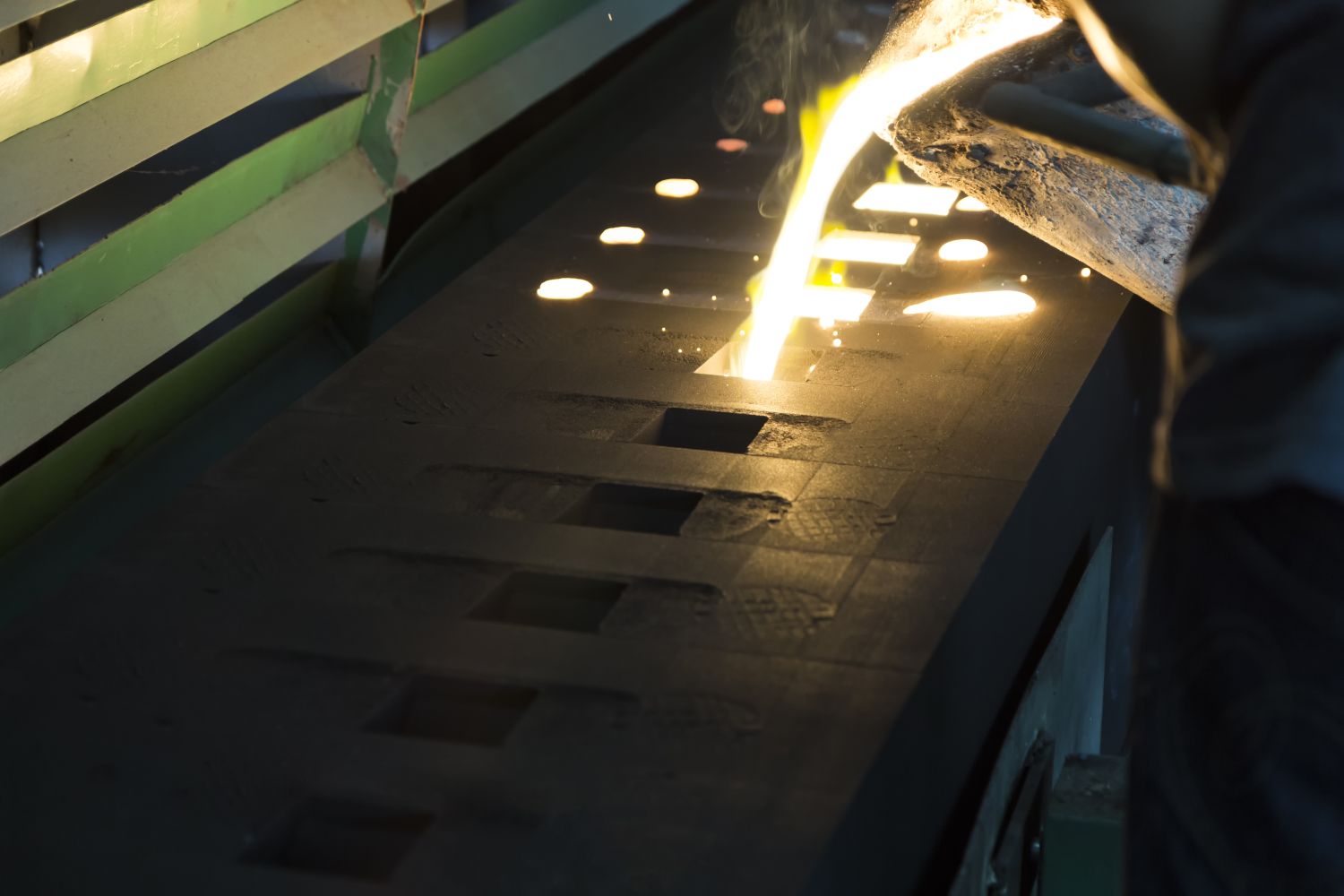
Professional Certificate of Competency in Green Smelting Technologies
- This course is designed for engineers and professionals aiming to deepen their understanding of environmentally friendly smelting technologies, with a…
This course is designed for engineers and professionals aiming to deepen their understanding of environmentally friendly smelting technologies, with a focus on hydrogen-based reduction methods. Participants will explore the principles, technologies, and applications of green smelting, emphasizing the transition from traditional carbon-intensive processes to sustainable alternatives.
-
-
-
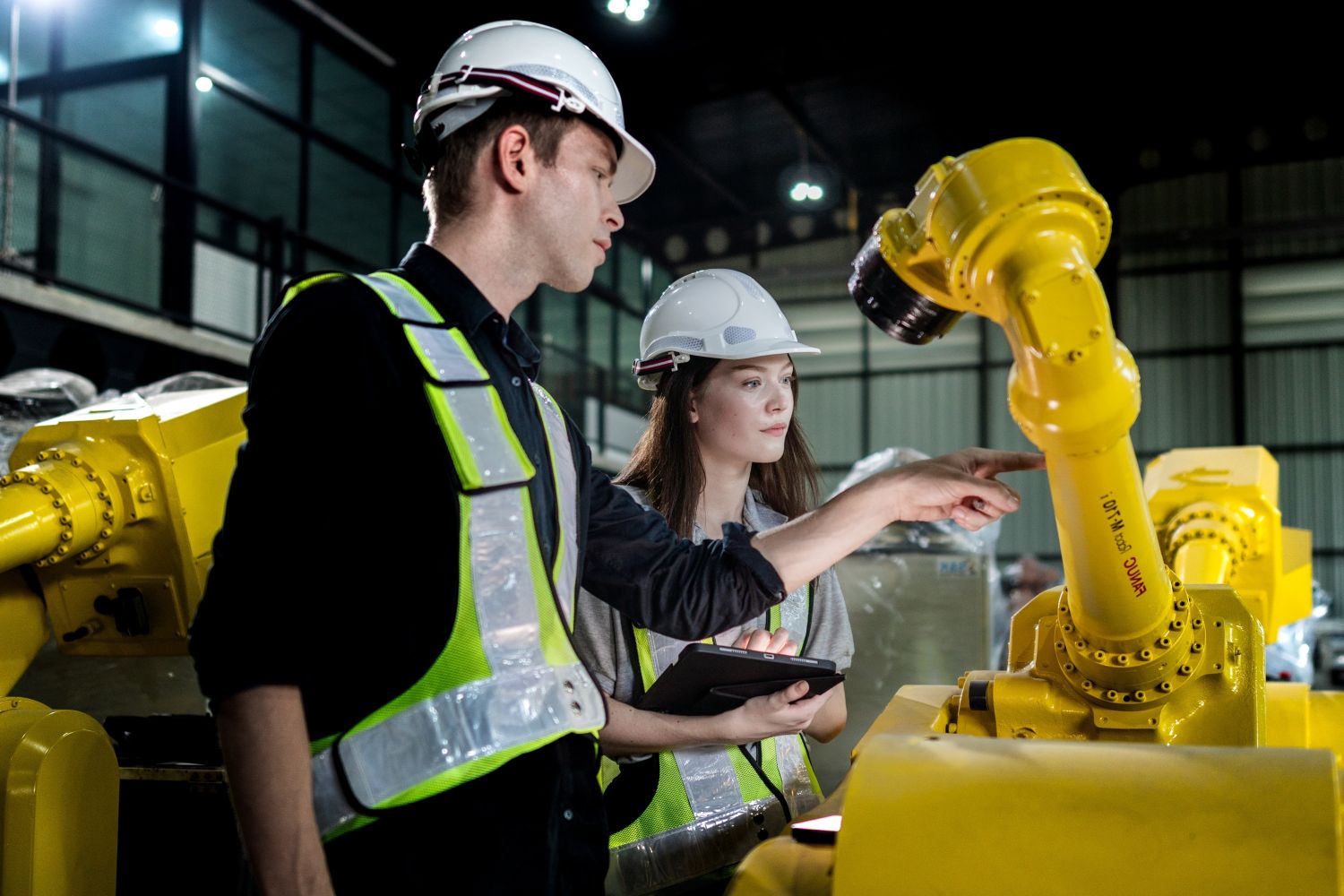
Professional Certificate of Competency in Instrumentation, Automation and Process Control
- This professional development course is designed for engineers and technicians who need to gain practical knowledge of selection, installation, and…
This professional development course is designed for engineers and technicians who need to gain practical knowledge of selection, installation, and commissioning of industrial instrumentation and control valves.
-
-
-

Professional Certificate of Competency in Advanced Plant Maintenance and AI-Driven Predictive Technologies
- The Professional Certificate of Competency in Advanced Plant Maintenance & AI-Driven Predictive Technologies is a specialized program designed for professionals in mining,…
The Professional Certificate of Competency in Advanced Plant Maintenance & AI-Driven Predictive Technologies is a specialized program designed for professionals in mining, energy, oil & gas, and manufacturing.
-