
Graduate Diploma of Engineering (Safety, Risk and Reliability)
The Graduate Diploma of Engineering (Safety, Risk, and Reliability) is tailored for professionals aiming to enhance their expertise in managing safety and reliability in engineering contexts. This program addresses the growing industry need for engineers skilled in identifying, assessing, and mitigating risks while ensuring system reliability and safety.
Duration
12 months
Intakes
January, June
Tuition Fee
Vary*
Location
Online
CRICOS
03567C
*Please get in touch for more details on fees
About the program
The Graduate Diploma of Engineering (Safety, Risk, and Reliability) (GDSR) offers a comprehensive curriculum designed to empower students with essential knowledge and skills vital for navigating the multifaceted realm of safety and risk management. Focused on critical areas such as system safety, risk mitigation, and reliability enhancement, this program prepares students to proficiently manage safety systems and address risks across diverse operational landscapes. It is tailored for individuals with backgrounds in mechanical, chemical & process, instrumentation & control, electrical, or industrial plant and systems engineering, particularly priming them for advancement within the safety and reliability industries, fostering their professional growth and confidence.
Throughout the program, students explore units covering foundational principles like system safety, risk management, incident investigation, workplace health and safety, and reliability engineering methodologies. Emphasizing practical application, learners gain hands-on experience with cutting-edge safety technologies and statistical methods for reliability analysis. The capstone project serves as the culmination of the course, challenging students to demonstrate their autonomy and accountability by applying their acquired knowledge and skills to real-world scenarios. This project showcases their ability to tackle complex safety, risk, and reliability challenges with innovative and practical solutions, solidifying their readiness for professional roles in the field.
The program integrates eight comprehensive units designed to cover key aspects of safety, risk management, and reliability engineering. Students will delve into topics such as safety systems and standards, risk assessment techniques, reliability engineering principles, human factors in safety, and the application of these concepts in various engineering sectors.
The curriculum is strategically developed to provide a blend of theoretical knowledge and practical skills.
The Safety Systems and Risk Management unit emphasizes the development and implementation of effective safety management systems and understanding risk management methodologies. In Reliability Engineering, students learn about reliability analysis, maintenance strategies, and techniques to improve the longevity and performance of engineering systems. Human Factors and Safety explores the impact of human behaviour on safety and how to design systems to mitigate human error and enhance overall safety. The Hazard Identification and Risk Control unit covers techniques for identifying potential hazards and implementing control measures to mitigate risks. Finally, the Advanced Risk Assessment unit equips students with advanced skills in both quantitative and qualitative risk assessment methods for evaluating and managing risks effectively.
The program culminates in a significant research-based capstone project. This project requires students to apply their acquired knowledge and skills to real-world problems, demonstrating their ability to conduct independent research, critical evaluation, and innovative problem-solving. The capstone project is designed to foster a high level of personal autonomy and accountability, preparing graduates to tackle complex challenges in the safety and reliability engineering domains.
Modules included
- Introduction to System Safety, Risk Management and Reliability
- Incident/Accident Investigations and Learning from Disasters
- Safety Systems – Tools and Methods
- Data Analysis and Statistics for Reliability Engineering
- Human, Environment and Workplace Health and Safety
For entry requirements, please complete the form.


Other interesting programs
-
-

Associate Degree in Electrical Engineering
- This Associate Degree in Electrical Engineering course from Engineering Institute of Technology prepares graduates with practical and theoretical expertise in power systems,…
This Associate Degree in Electrical Engineering course from Engineering Institute of Technology prepares graduates with practical and theoretical expertise in power systems, automation, renewable energy, and smart infrastructure.
-
-
-

Online – Master of Engineering – Applied Research (Industrial Automation)
- This Online - Master of Engineering - Applied Research (Industrial Automation) course from Engineering Institute of Technology is a two-year postgraduate degree…
This Online - Master of Engineering - Applied Research (Industrial Automation) course from Engineering Institute of Technology is a two-year postgraduate degree for engineers seeking to advance their expertise in emerging automation technologies and industrial data systems.
-
-
-
On-Campus Master of Engineering – Applied Research (Industrial Automation)
- This On-Campus Master of Engineering - Applied Research (Industrial Automation) course from the Engineering Institute of Technology is a two-year postgraduate degree…
This On-Campus Master of Engineering - Applied Research (Industrial Automation) course from the Engineering Institute of Technology is a two-year postgraduate degree for engineers seeking to advance their expertise in emerging automation technologies and industrial data systems.
-
-
-

Online – Master of Engineering – Applied Research (Civil – Structural)
- This Online - Master of Engineering - Applied Research (Civil - Structural) course from Engineering Institute of Technology is a two-year postgraduate…
This Online - Master of Engineering - Applied Research (Civil - Structural) course from Engineering Institute of Technology is a two-year postgraduate degree for engineers seeking to advance their expertise in structural engineering, modelling, and analysis of various materials and structural systems.
-
-
-
On-Campus Master of Engineering – Applied Research (Civil – Structural)
- This On-Campus Master of Engineering - Applied Research (Civil - Structural) course from Engineering Institute of Technology combining cutting-edge research skills and practical problem-solving…
This On-Campus Master of Engineering - Applied Research (Civil - Structural) course from Engineering Institute of Technology combining cutting-edge research skills and practical problem-solving to drive innovation in real-world engineering challenges.
-
-
-
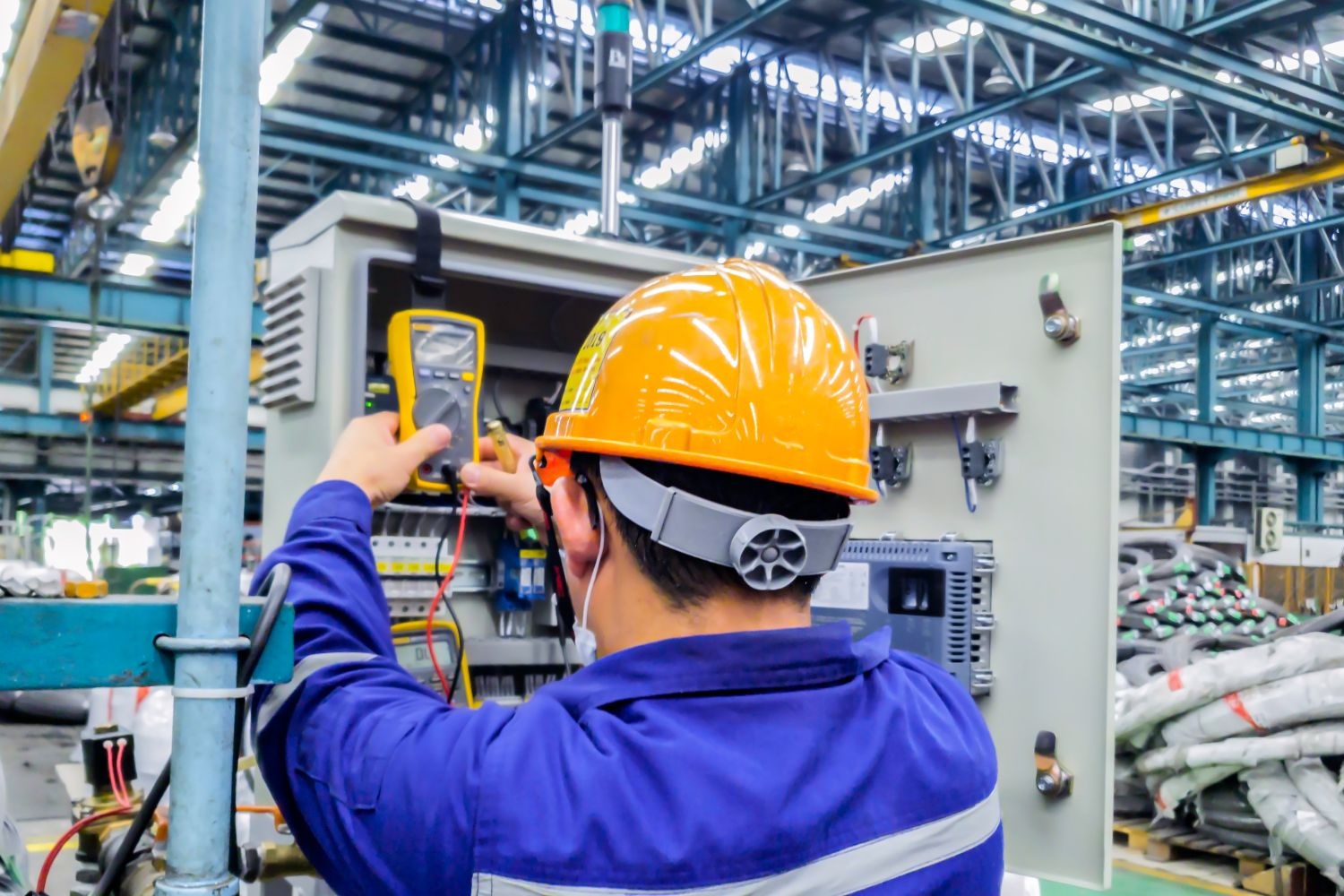
Online – Master of Engineering – Applied Research (Electrical Systems)
- This Online - Master of Engineering - Applied Research (Electrical Systems) course from Engineering Institute of Technology is a two-year postgraduate degree…
This Online - Master of Engineering - Applied Research (Electrical Systems) course from Engineering Institute of Technology is a two-year postgraduate degree addresses real-world challenges in modern electrical engineering.
-
-
-
On-Campus Master of Engineering – Applied Research (Electrical Systems)
- This On-Campus Master of Engineering - Applied Research (Electrical Systems) course from Engineering Institute of Technology combining cutting-edge research skills and practical problem-solving to…
This On-Campus Master of Engineering - Applied Research (Electrical Systems) course from Engineering Institute of Technology combining cutting-edge research skills and practical problem-solving to drive innovation in real-world engineering challenges.
-
-
-

Online – Master of Engineering – Applied Research (Mechanical)
- This Online - Master of Engineering - Applied Research (Mechanical) course from Engineering Institute of Technology is a two-year postgraduate degree for…
This Online - Master of Engineering - Applied Research (Mechanical) course from Engineering Institute of Technology is a two-year postgraduate degree for engineers seeking to advance their expertise in mechanical design, materials behavior, and advanced simulation tools.
-
-
-
On-Campus Master of Engineering – Applied Research (Mechanical)
- This On-Campus Master of Engineering - Applied Research (Mechanical) course from the Engineering Institute of Technology is a two-year postgraduate degree for…
This On-Campus Master of Engineering - Applied Research (Mechanical) course from the Engineering Institute of Technology is a two-year postgraduate degree for engineers seeking to advance their expertise in mechanical design, materials behavior, and advanced simulation tools.
-
-
-
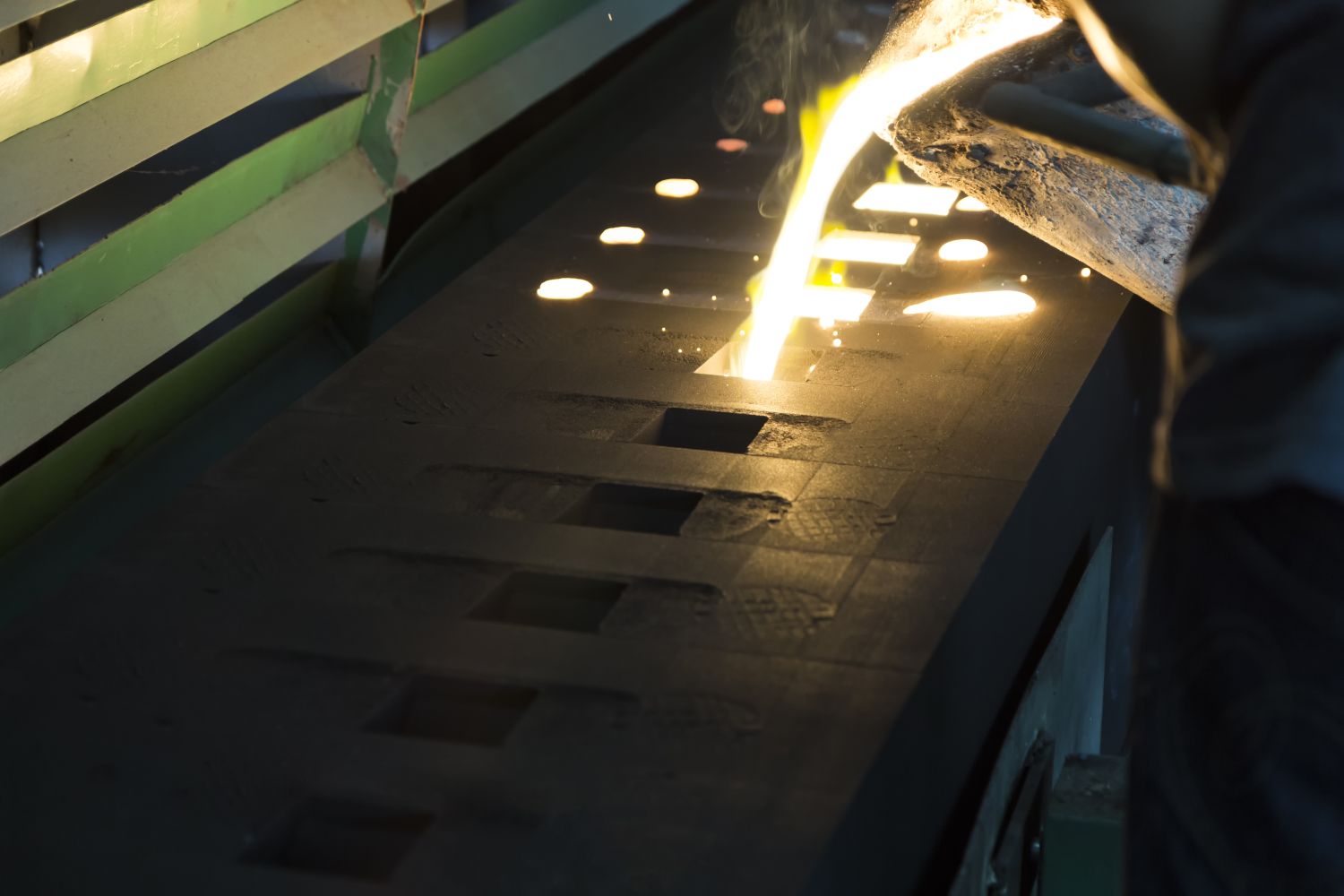
Professional Certificate of Competency in Green Smelting Technologies
- This course is designed for engineers and professionals aiming to deepen their understanding of environmentally friendly smelting technologies, with a…
This course is designed for engineers and professionals aiming to deepen their understanding of environmentally friendly smelting technologies, with a focus on hydrogen-based reduction methods. Participants will explore the principles, technologies, and applications of green smelting, emphasizing the transition from traditional carbon-intensive processes to sustainable alternatives.
-
-
-
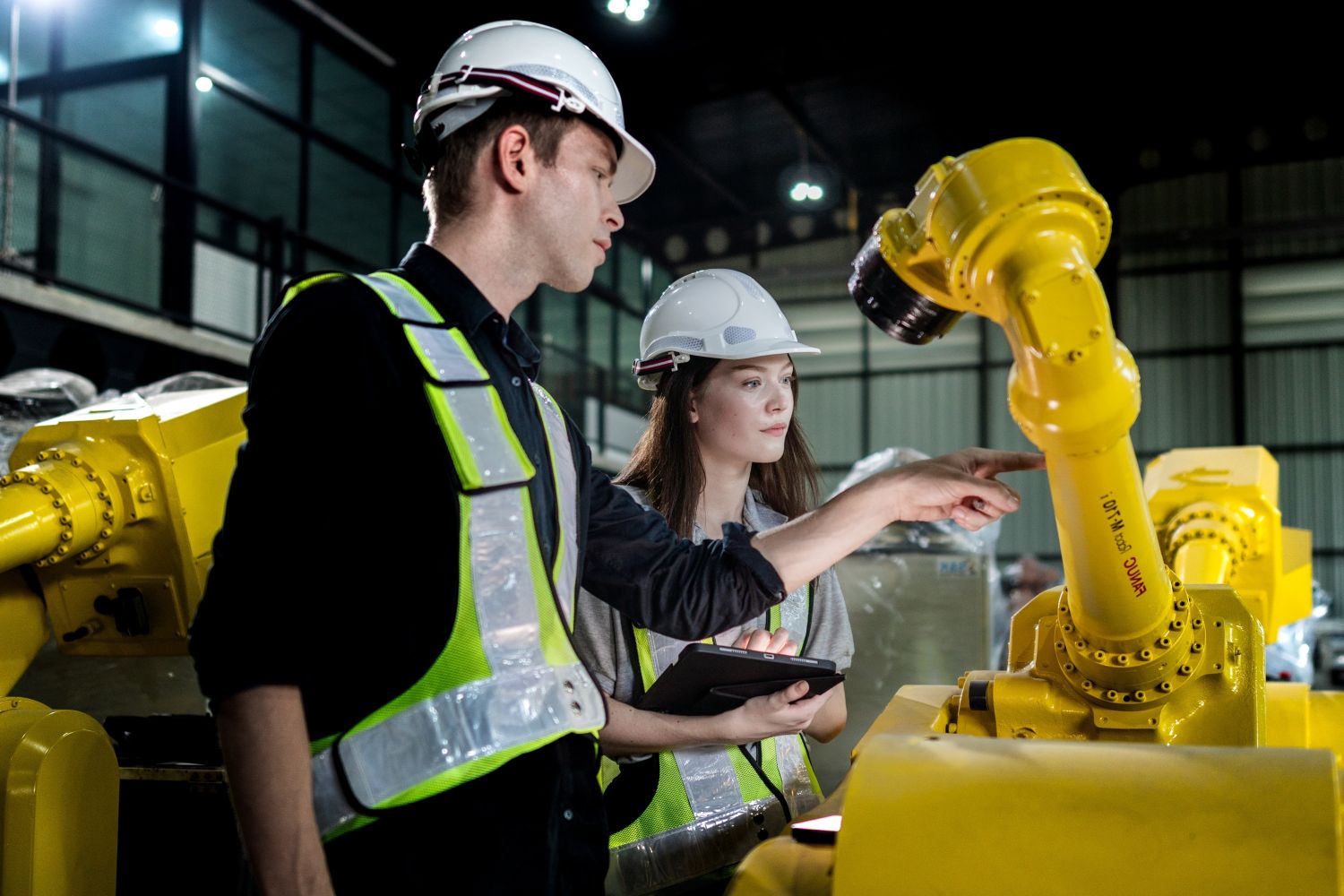
Professional Certificate of Competency in Instrumentation, Automation and Process Control
- This professional development course is designed for engineers and technicians who need to gain practical knowledge of selection, installation, and…
This professional development course is designed for engineers and technicians who need to gain practical knowledge of selection, installation, and commissioning of industrial instrumentation and control valves.
-
-
-

Professional Certificate of Competency in Advanced Plant Maintenance and AI-Driven Predictive Technologies
- The Professional Certificate of Competency in Advanced Plant Maintenance & AI-Driven Predictive Technologies is a specialized program designed for professionals in mining,…
The Professional Certificate of Competency in Advanced Plant Maintenance & AI-Driven Predictive Technologies is a specialized program designed for professionals in mining, energy, oil & gas, and manufacturing.
-