Professional Certificate of Competency in Electrical Power System Protection
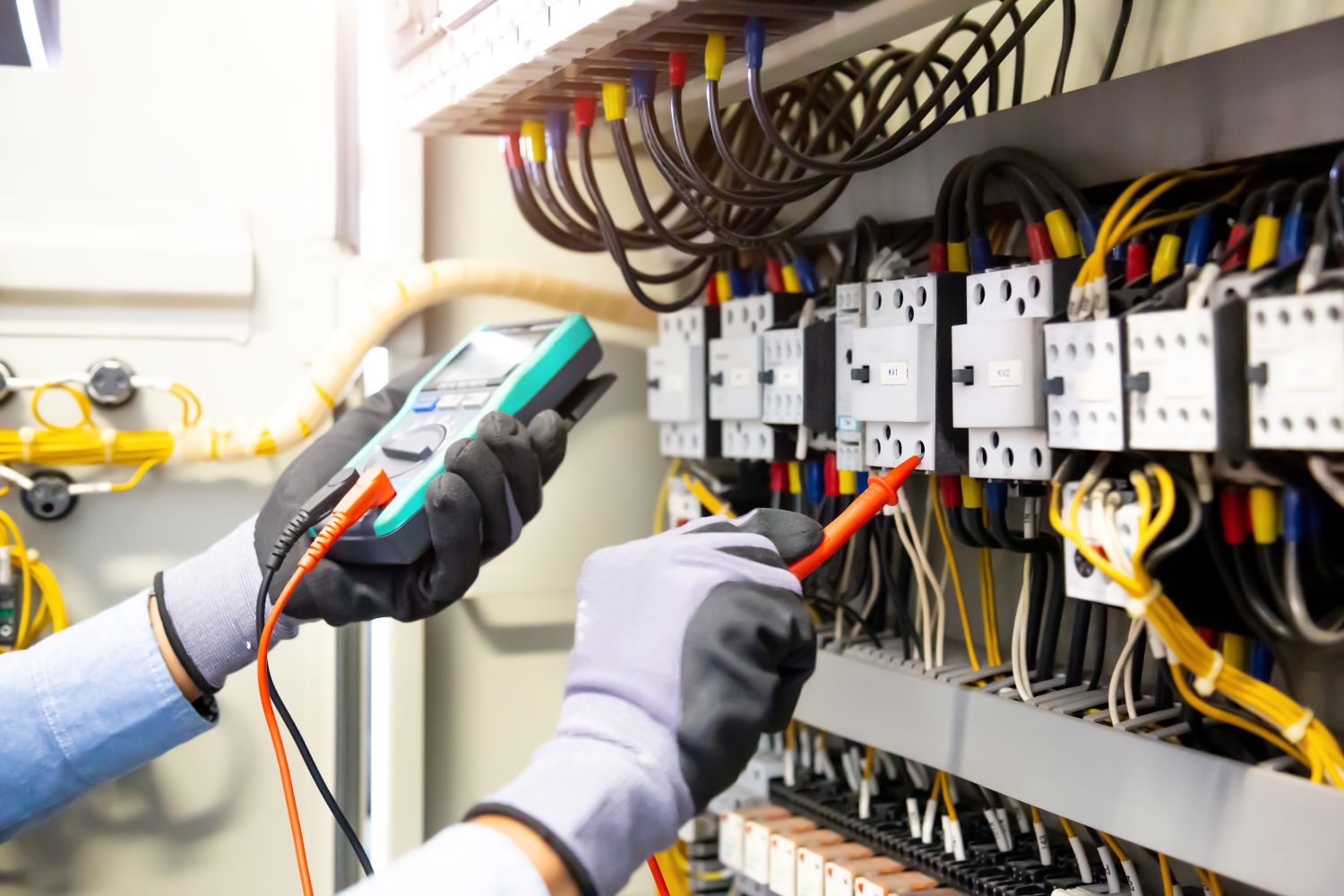
This professional development course is designed for engineers and technicians who need practical skills and knowledge in understanding power system protection, including how to calculate fault currents, and select relays and associated instrument transformers appropriate to each typical system or equipment.
Duration
3 months
Intakes
February, July
Tuition Fee
Vary*
Location
Online
CRICOS
03567C
*Please get in touch for more details on fees
About the program
Any power system is prone to ‘faults’ (also called short-circuits), which occur mostly as a result of insulation failure and sometimes due to external causes. When a fault occurs, the normal functioning of the system gets disturbed. The high current resulting from a fault can stress the electrical conductors and connected equipment thermally and electro-dynamically.
Arcs at the fault point can cause serious or even fatal burn injuries to operating and maintenance workers in the vicinity. Faults involving one phase and ground give rise to high ‘touch’ and ‘step’ voltages, posing the danger of electrocution to personnel working nearby.
It is, therefore, necessary to detect and clear any fault quickly. The first device used in early electrical systems was the fuse, which acted both as the sensor and the interrupting device. With larger systems, separate devices have become necessary to sense and interrupt fault currents
In both high voltage systems and low voltage systems of higher capacities, the sensing is done by more sophisticated devices called relays. Relays were initially electro-mechanical devices, but static relays, and more recently, digital relays, have become the norm. With more complex systems, it is necessary to detect the point of fault precisely and trip only those sections affected by the fault, while the rest of the system can continue to function normally.
In the event of the nearest circuit breaker failing to operate, the next breaker in the upstream (feeding) side has to be tripped as a ‘back up’ measure. Another requirement is to minimize the time for which a fault remains in the circuit; this is necessary to reduce equipment damage and the danger to operating personnel.
These requirements necessitate different forms of relaying apart from the simple current sensing relays. Equipment such as generators, transformers, and motors also need special forms of protection characterized by their design and operating principles.
This course will explain all of these points in detail and provide you with the skills and knowledge necessary to calculate fault currents, and select relays and associated instrument transformers appropriate to each typical system or equipment. You will also learn how to adjust the setting of the relays so that the relays closest to the fault will operate and clear the fault faster than the backup devices.
Certification
To obtain a certificate of completion for EIT’s Professional Certificate of Competency, students must achieve a 65% attendance rate at the live, online fortnightly webinars. Detailed summaries/notes can be submitted in lieu of attendance. In addition, students must obtain a mark of 60% in the set assignments which could take the form of written assignments and practical assignments. Students must also obtain a mark of 100% in quizzes. If a student does not achieve the required score, they will be given an opportunity to resubmit the assignment to obtain the required score.
Modules included
- Power System Overview
- Basics of Power System Protection
- Types of Faults and Short Circuit Current Calculations
- System Earthing and Earth Fault Current
- Fuses and Circuit Breakers with Built-in Protection
For entry requirements, please complete the form.

Other interesting programs
-
-

Associate Degree in Electrical Engineering
- This Associate Degree in Electrical Engineering course from Engineering Institute of Technology prepares graduates with practical and theoretical expertise in power systems,…
This Associate Degree in Electrical Engineering course from Engineering Institute of Technology prepares graduates with practical and theoretical expertise in power systems, automation, renewable energy, and smart infrastructure.
-
-
-

Online – Master of Engineering – Applied Research (Industrial Automation)
- This Online - Master of Engineering - Applied Research (Industrial Automation) course from Engineering Institute of Technology is a two-year postgraduate degree…
This Online - Master of Engineering - Applied Research (Industrial Automation) course from Engineering Institute of Technology is a two-year postgraduate degree for engineers seeking to advance their expertise in emerging automation technologies and industrial data systems.
-
-
-
On-Campus Master of Engineering – Applied Research (Industrial Automation)
- This On-Campus Master of Engineering - Applied Research (Industrial Automation) course from the Engineering Institute of Technology is a two-year postgraduate degree…
This On-Campus Master of Engineering - Applied Research (Industrial Automation) course from the Engineering Institute of Technology is a two-year postgraduate degree for engineers seeking to advance their expertise in emerging automation technologies and industrial data systems.
-
-
-

Online – Master of Engineering – Applied Research (Civil – Structural)
- This Online - Master of Engineering - Applied Research (Civil - Structural) course from Engineering Institute of Technology is a two-year postgraduate…
This Online - Master of Engineering - Applied Research (Civil - Structural) course from Engineering Institute of Technology is a two-year postgraduate degree for engineers seeking to advance their expertise in structural engineering, modelling, and analysis of various materials and structural systems.
-
-
-
On-Campus Master of Engineering – Applied Research (Civil – Structural)
- This On-Campus Master of Engineering - Applied Research (Civil - Structural) course from Engineering Institute of Technology combining cutting-edge research skills and practical problem-solving…
This On-Campus Master of Engineering - Applied Research (Civil - Structural) course from Engineering Institute of Technology combining cutting-edge research skills and practical problem-solving to drive innovation in real-world engineering challenges.
-
-
-
Online – Master of Engineering – Applied Research (Electrical Systems)
- This Online - Master of Engineering - Applied Research (Electrical Systems) course from Engineering Institute of Technology is a two-year postgraduate degree…
This Online - Master of Engineering - Applied Research (Electrical Systems) course from Engineering Institute of Technology is a two-year postgraduate degree addresses real-world challenges in modern electrical engineering.
-
-
-
On-Campus Master of Engineering – Applied Research (Electrical Systems)
- This On-Campus Master of Engineering - Applied Research (Electrical Systems) course from Engineering Institute of Technology combining cutting-edge research skills and practical problem-solving to…
This On-Campus Master of Engineering - Applied Research (Electrical Systems) course from Engineering Institute of Technology combining cutting-edge research skills and practical problem-solving to drive innovation in real-world engineering challenges.
-
-
-

Online – Master of Engineering – Applied Research (Mechanical)
- This Online - Master of Engineering - Applied Research (Mechanical) course from Engineering Institute of Technology is a two-year postgraduate degree for…
This Online - Master of Engineering - Applied Research (Mechanical) course from Engineering Institute of Technology is a two-year postgraduate degree for engineers seeking to advance their expertise in mechanical design, materials behavior, and advanced simulation tools.
-
-
-
On-Campus Master of Engineering – Applied Research (Mechanical)
- This On-Campus Master of Engineering - Applied Research (Mechanical) course from the Engineering Institute of Technology is a two-year postgraduate degree for…
This On-Campus Master of Engineering - Applied Research (Mechanical) course from the Engineering Institute of Technology is a two-year postgraduate degree for engineers seeking to advance their expertise in mechanical design, materials behavior, and advanced simulation tools.
-
-
-
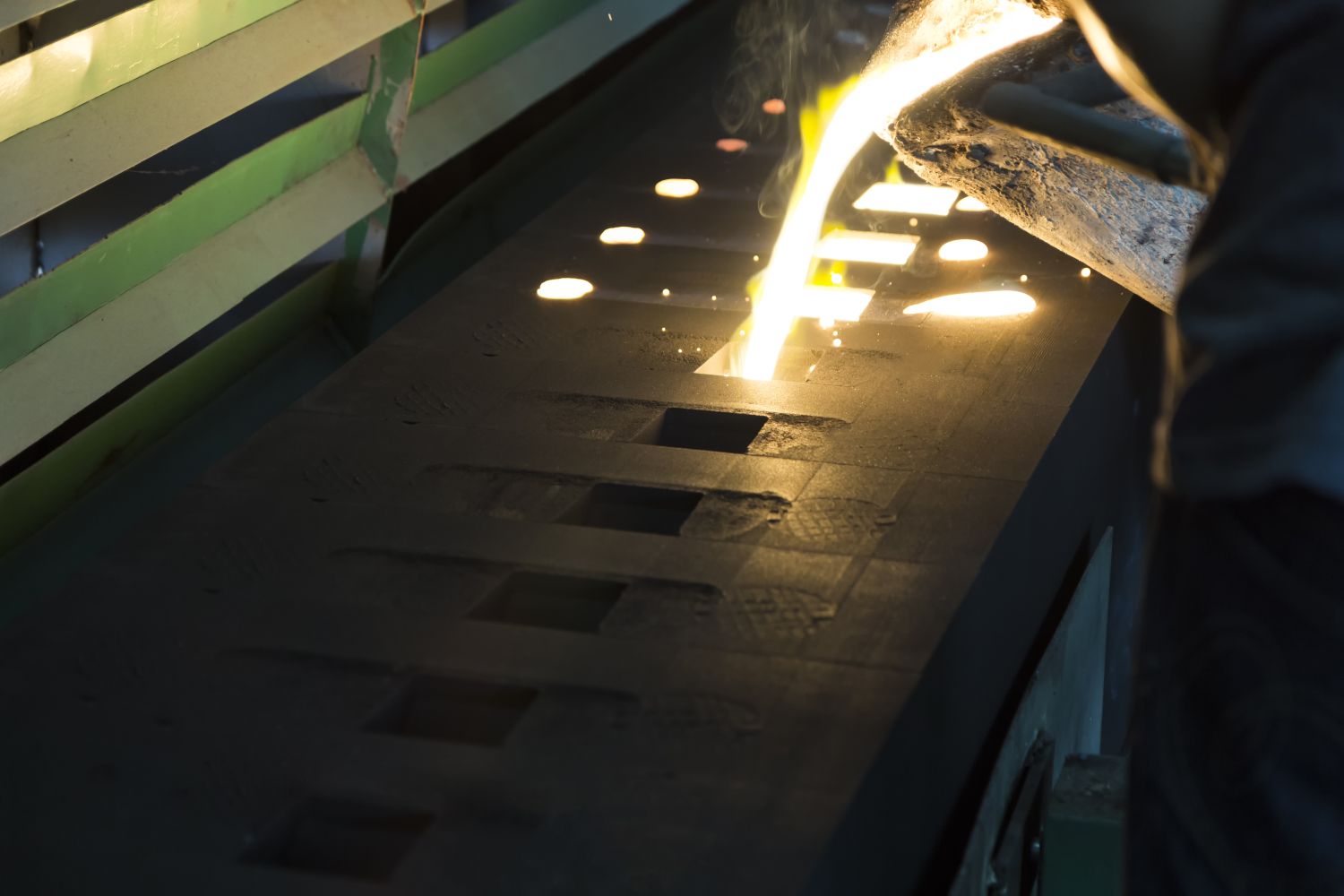
Professional Certificate of Competency in Green Smelting Technologies
- This course is designed for engineers and professionals aiming to deepen their understanding of environmentally friendly smelting technologies, with a…
This course is designed for engineers and professionals aiming to deepen their understanding of environmentally friendly smelting technologies, with a focus on hydrogen-based reduction methods. Participants will explore the principles, technologies, and applications of green smelting, emphasizing the transition from traditional carbon-intensive processes to sustainable alternatives.
-
-
-

Professional Certificate of Competency in Instrumentation, Automation and Process Control
- This professional development course is designed for engineers and technicians who need to gain practical knowledge of selection, installation, and…
This professional development course is designed for engineers and technicians who need to gain practical knowledge of selection, installation, and commissioning of industrial instrumentation and control valves.
-
-
-

Professional Certificate of Competency in Advanced Plant Maintenance and AI-Driven Predictive Technologies
- The Professional Certificate of Competency in Advanced Plant Maintenance & AI-Driven Predictive Technologies is a specialized program designed for professionals in mining,…
The Professional Certificate of Competency in Advanced Plant Maintenance & AI-Driven Predictive Technologies is a specialized program designed for professionals in mining, energy, oil & gas, and manufacturing.
-